Monday, August 28, 2017

How to Plan the Perfect Open House

How to Plan the Perfect Open House


Have you ever spent time and energy planning an Open House, just to have less than five people attend?     Have you ever had a ton of people show up at your Open House, and been unable to convert a single one of them into a sale or a future client?  Are you unsure about why your Open House failed?


Open Houses are now more important to the real estate agent than ever.  A report in 2015 by the National Association of Realtors Home Buyers and Sellers indicated that 48% of home buyers cited the Open House as an important source for most of their information.   The reasons for this are obvious, for many it’s the first time that they’re getting to smell, see, and feel the home in person.   It’s also a way to see what other people think of the house, which is a powerful push in a person’s perception of a particular home.


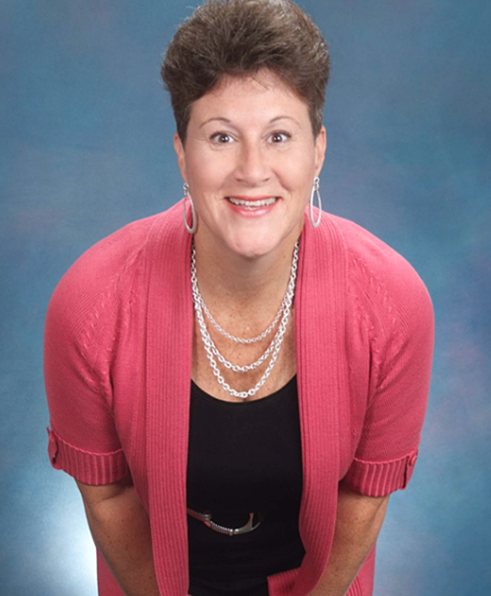
I’m Cindy Bishop of Cindy Bishop Worldwide. I pride myself not only on being a successful real estate agent with over 28 years of experience, but a knowledgeable and helpful trainer and coach.  I’m committed to making everyone who comes into contact with me succeed, and have compiled the following open house tips for you, both from my own experience, as well as teaching and coaching friends of mine.    Use them to succeed, and contact me if you have any questions at all!


Here are the best ways to make your Open House perfect:


1.    Pick a unique property, that’s easy to find.


We often don’t have control over which property we’re showing, but when we are able to select a house at which to host an Open House event, we should look for properties with the following:


*  A direct route to them with very few turns.  Street names are easy, and street signs are visible.

*  Properties that are well kept, and visually pleasing from both the inside and outside.

*  A home with some kind of “conversation starter”.  It has a unique feature, and is not just four walls. It might have an infinity pool, a walk-in closet, or a newly redesigned kitchen.

*  Your signage should be larger than life.  On the event day, you need something to make the signs stand out even more.  Balloons are often used, or you could even try streamers, or pinwheels.  Be creative, just try to find something professional, but that catches the light and people’s attention.


2.  Have your Open House event at the right time.


*  Don’t have your event after dark.  Plan your event to end at sunset.

*  Consider having a separate open house preview, for neighbors only.  And then an open-to-the-public type of event later.  Neighbors love this preview event concept, because it makes them feel special, and they love suggesting who should live in their neighborhood.  It also allows them to start thinking of friends and family they want nearby, and they become part of your sales force for you, as well as your advertising force for the actual open house.

*  If you do have an event only for neighbors, consider taking out a camera and interviewing and recording them talking about the neighborhood.  This is something you can add to your website, or social media, or have on repeat loop during your Open House.  For example, imagine how powerful it is to have a recorded testimonial from a mother in the area about the school district?

*  Don’t pick a date and time where people are not available, for example, the majority of people work Monday through Fridays from 8am-5pm, and may not be free on a Wednesday at 3pm.   Additionally, people are usually not free on holiday weekends.


3.  Make your Open House event the right vibe, and the more exciting, the better!


*  Entertaining music is a possibility, but be careful that it’s not distracting and that you avoid certain genres or language that may be offensive.  Music may be seen as a way to cover up noises or mechanical failures in the house.  Make sure that you’re sensitive to how the music is being perceived.

*  Snacks are a must!   Try wine and cheese, or beer and wings.  The most important part about the food is that it needs to match what type of neighborhood you are in.   Fried chicken and hamburgers probably aren’t appropriate at a million-dollar listing, but champagne and caviar probably aren’t appropriate in a first-time homebuyer situation, either.   Just a word of caution; however, if you are serving alcohol, be very careful about who you serve.  You may even want to get someone on your team to help you out with this. The last thing you need is for someone to drink at your open house as a minor, or someone to drive off over intoxicated and get into an accident. If in the right kind of setting, having comfort foods is especially welcoming and makes many visitors feel more at home.   Careful to avoid foods with bad odors or smells, as you don’t want them attributed to the home.

*  Consider leaving a hand-written sign to “Help Yourself” along with a list of ingredients, so that visitors feel like they are able to eat the snacks provided without fear.

*  Consider having a slideshow or interactive photo board featuring the home at various times of year.  You may want to show the home off in summer months, for example, if it’s currently January and the garden and pool are frozen over.

*  Consider making a table, desk, or station with local school information, neighborhood information, etc.  The more resources you can provide, the better.  You want the guest to stop at this station and pour over the resources, and ask as many questions as possible.

*  Make sure to engage each and every visitor so they have are interested, and want to stay longer.


4.  Don’t just advertise your Open House, create buzz around it.

*  Create an event on social media, and share it with all of your friends and clients, as well as everyone on your e-mail lists.  Facebook ads have become an amazing resource for reaching a ton of people in your area that wouldn’t have been in your networks otherwise.  And it’s incredibly cost-effective, for what it does.   You should filter the Facebook ad to include only people in targeted zip codes.  You can also un-invite or exclude people who work for other realtors or competing brokerages.

*  Flyer surrounding businesses and schools in the area of the listing.  Knock on as many doors as possible.

*  Visit neighbors’ homes with nice newsletters or invitations.  The nicer the invitation, the higher the chance that they will pop in to see what all of the fuss is about. Some agents even suggest using wedding style invitations.

*  Don’t just advertise on one channel.  You can try Facebook events, Twitter, your own website, your e-mail list, your newsletter, NextDoor.com, and even Craigslist.  Just make sure you follow all of the appropriate advertising and marketing laws as designated by your brokerage and state laws.


5.  Logistics, Logistics, Logistics


*  Make sure everything is in order so that you look your best, and the house looks it’s best.   it should be clean, lightbulbs should be new, dust should be gone, air fresheners should be working, the climate should be controlled. I’ve even heard of certain agents baking cookies in advance of the big event so that the house feels and smells extra homey.  

*  Consider removing clutter, which makes navigating the home difficult.  You can also remove or hide offensive art, or anything that might make someone feel uncomfortable. But be careful-  make sure the homeowner doesn’t just throw the clutter into closets or cabinets!   People care more and more about storage these days, and if it looks like the cabinets and closets are busting at the seams with junk, they’ll automatically assume that the amount of storage space in the house is not sufficient

*  Use natural light to your advantage.  Make sure all window treatments are open and all curtains are drawn.  All light switches should be turned on, regardless of where they are.  You don’t want someone afraid to go in the basement, or thinking they aren’t allowed to enter the garage.

*  Make sure the home owner is not present.  The last thing you need is them having an emotional breakdown because they are going down memory lane, or answering a question incorrectly. People also feel uncomfortable freeing roaming when the person who owns the property is looking over their shoulder.

*  With that said, valuables, if left in the home, should be secured.  At the very least, you should know what they are and where, and make an inventory of them.  I strongly advise you insist that the home owner take them out of the property before the open house, so you’re not held liable for them in case of damage or theft.

*  Use your team.  If you are alone at an Open House, you may be spread too thin.  If you leave for a minute to check that a sign on the corner hasn’t fallen down, you may miss someone who pops in to find no one there.    Have one person for signage and the guest book, one person on food and drink detail, and that leaves you free to talk to and engage guests.

*  Have a loan agent or lender on hand, in order to answer any potential questions the home buyer may have about the process.

*  Make sure you have the necessary paperwork required.  You can print out a copy of the MLS but it’s strongly suggested that you make a booklet, flyer, or something more personalized to the property, and to yourself.

*  Make sure you know the neighborhood, and have done comparisons of values in the neighborhood. You may lose credibility if someone asks you a question and you’re unfamiliar with this territory, and I’m sure you’d rather look like a pro!


6.  Use the Personal Touch


*  It’s not enough to have each visitor sign in.  You should take detailed notes on your conversation with each person.  If you can’t remember this, a helpful suggestion is to hide a notebook or tablet inside a kitchen drawer, and make notes as the day goes by.

*  You should remember one thing about each visitor and bring it up at some point during their tour of the home. “Jerry, wouldn’t this be an amazing place to store your golf clubs?”

*  Don’t try to sell anyone.  They will come to you, and request the information they need, when they need it.  This is a time to establish relationships.  Your only objective should be to make this home (and yourself) memorable.


7. Follow Up


*  Add all visitors to your e-mail list, as well as your newsletter list.   AM Open House is a great app and resource to make sure you’re keeping on task with this.

*  For those visitors who were seriously interested in the home or in you, handwritten cards should be sent out thanking them for coming, and encouraging their business in the future.  Take out that handy notebook you stashed, and make personal notes in each card.   They’re more likely to keep it the more personal it is.   Above all, make sure your contact information is on each card.

*  Some agents even send videos.  You could forward on a Facebook live video of the open house, or send a YouTube video of the listing.   You could even send some kind of greeting card video for a special way to say “thanks for attending!”  BombBomb is a great resource for this type of video.

*  Text message is a wonderful way to contact people, and has a 95% open rate.  It’s less invasive than a phone call, which people may avoid answering if they don’t know a specific caller.  Send a very specific text message with a thank you, the property address, and more information on the property, or a link for more information.

*  Send a follow up to the follow up starting with the subject header “I forgot to tell you…” -  You can then point out a feature you neglected to tell them about on the current property, or even point out other properties that you may have listed, if this one fell short for them.


Of course, the best resource for an Open House is a coach, who can suggest strategies unique to your community and clientele.  Not only is this more effective, but a coach should follow up with you to make sure that everything went smoothly, and question each step if it doesn’t.

I’m happy to meet your coaching needs, and can be contacted through either one of our
websites.


Cindy Bishop is the Managing Director of Cindy Bishop Worldwide, a real estate education company specializing in Continuing Education and Business Development to the Real Estate Community. Cindy is an active coach specializing in real estate agent business development.
cindybishopworldwide.com
bestrealtortraining.com




Friday, May 12, 2017

The Power of a Self-Directed IRA for Real Estate Investors

The Self-Directed IRA enables investors to purchase (i.e. Buy & Hold / Fix & Flip) properties with untaxed dollars within a Traditional IRA and collect rent or earnings from a flip, tax free until distributions are made at retirement. The Roth IRA allows earnings and rents to remain tax free for life.  Once Roth IRA distributions are made at retirement, only those earnings after distributions are taxed. The power of untaxed dollars provides tremendous growth potential for your personal real estate investment portfolio and typical returns of 10% - 14% including asset appreciation.


A Self-Directed IRA allows you to invest your IRA savings into what you know and understand. Some examples include:


Rental Properties

Buy / Fix / Flip

Hard Money Loans

Mobile Homes

Auctions

Real Estate Options

Promissory Notes

Short Sales

Tax Liens


These are just a few examples of Real Estate investments that can greatly increase the earning power of your IRA.


What is a Traditional Self-Directed IRA?


Based on the amount of any contribution you make to your IRA, you can deduct that amount from your earned income. These contributions are tax free until the time that you withdraw those funds, typically starting at age 59 and a half to avoid early withdrawal penalties. You may convert your Traditional IRA to a Roth IRA at any time but you must pay the taxes on the conversion amount.


What is a Roth Self-Directed IRA?


A Roth IRA contribution is an after-tax contribution into your IRA. However, any earnings realized within a Roth IRA are tax free for life.  An example would be the rental income from the purchase of a rental property (that was purchased using Roth IRA contributions) would be tax free for as long as that property remains inside the Roth IRA. 


Are there any IRA investment restrictions?


Yes, they are called Prohibited Transactions which include:


·         Life Insurance Premiums

·         Collectibles such as: artwork, antiques, stamps, etc.

·         Conduct business transactions and/or commingle assets or services with a “Disqualified Person”


Who is a disqualified Person?


Pretty much everybody in yours or your spouse’s vertical family tree: Parents, Grandparents, Children (and their spouse’s) and Grandchildren (and their spouse’s).


The way ahead


Many folks are well versed in property flipping, selling and renting. However, there are those that would like to invest in Real Estate but are hesitant in making the first step. A recommendation for these folks would be to work with a Wholesaler who will work with you in both investment projects (flips) and purchases of a rental properties. They should also provide property management services, usually a 10% fee of monthly rental income, and can work with your IRA management group. I work with Alpine Capital Solutions in Indianapolis.


So, look at your current returns in your IRA and ask yourself can I do better? Opting to control your own investments through real estate could significantly grow your retirement nest egg and provide more opportunities to enjoy those golden years.


Author and Contributor:

Mark Hensel
Real Estate Consultant

RE/MAX Executives

703-405-7819  Mobile/703-498-2602  Office

Mark@SignatureHomesVA.com

Saturday, April 29, 2017

4 Daily Habits to Adopt for Success in Real Estate & Life


Good habits are the foundation of wealth. If you watch successful people you will see their day is filled with consistent habits that save time, improve focus and ultimately help accomplish more daily.

  • Get Up Early. Make the first two hours of your day the most important. It will not only set the tone for the day but will give you a game plan for everything else that follows.  These two hours can be used for activities you enjoy such as exercise, meditation or completion of a project or activity from the previous day. The early morning is free from distraction allowing you to do more of whatever you enjoy. 
  • 20 Minutes Of Learning Daily. It is important in any business to know what is going on at all times. Trying to master every aspect of the business may seem intimidating but is less difficult if you spend some time on it daily. Regardless of how busy you may be you can squeeze twenty minutes of learning into your daily routine. You can find this time on an audiobook driving to or from an appointment or on the treadmill as you get some exercise in.
  • Make Lists & Set Goals. Success is often easier if you plan exactly what needs to get done. Before you go to bed you should plan for the next day. Tackle the toughest task first and go from there. Planning your goals not only makes you efficient but gives you a sense of direction and purpose. 
  • Track Progress. If you don’t know what is working, is impossible to gauge the results? At the end of every day you should take some time to evaluate what you did to build on your progress. If you failed to do anything, you need to ask yourself why and then develop a new plan to stay on track.

You ultimately control where you go in Life . Changing habits is never easy but is essential for growth.  Start by incorporating these four habits into your daily life and see the difference it makes towards your success.


by Simply Chic Home Solutions Sheli Schneider


Friday, April 28, 2017

Powerful Presentations

Powerful Presentations are not reserved for just listing and buyer appointments. Presentation skills should be utilized in any conversation you are having with consumers.


Today’s consumer has a new sophistication level and expects their real estate professional to be as forward thinking and savvy as they think they are.  Presentations to the consumer must be powerful and straightforward without misrepresentations and your message clearly communicated. The consumer of today wants convenience combined with a new level of service for less, in addition to a number of other components that drive the bid to win customer care.


If you feel you are losing potential listings or buyers, then it’s time to make some alterations to your approach. Since we only get one chance to make a first impression, it’s important to avoid blowing it. Many agents deliver a communication style they feel is effective when it actually isn’t. Some agents feel they are showcasing an enhanced level of professionalism that should give the potential client confidence to work with them only to discover someone else has just listed their house. If this sounds familiar, then it’s probably time to work on your ability to actively listen and effectively communicate.


Meeting the needs of the consumer by providing the information they think they desire to understand the home buying and selling process can be tricky. Many consumers are not really sure what they want.  So, when making your presentation, it becomes a platform for highlighting your value in a way the consumer is interested in building a relationship with you. Many potential clients want to know you care and showcasing your concern by sharing the information they really need to know is the best way to get there.


The consumer can typically see a phony baloney from a mile away. One of the best ways to build confidence is by being yourself and providing them with the facts of what lies ahead. Don’t hold back…tell them the truth and help them sort through it. If they want to list their house at an unreasonable price, discuss strategies to minimize the risk of hurting their marketability and ultimately themselves. Suggest they secure an appraisal so they get an expert opinion. Telling them the truth while leaving room open for alternate opinions is a great way for you to lead them while they maintain the control they need.


Let’s go through 8 key business boosting elements in preparing for a memorable presentation:

1.  1.   Have a Story and a Mission Statement. Letting others know why you do what you do as well as the Stories to illustrate your experiences in business and life brings your prospective client closer to you more quickly. It’s all about building that strong lifelong relationship. If you need help with ideas for your Story line, visit ted.com or Craig Worthmann’s video on “What’s Your Story”. Get them wired to listen to stories. Be contagious!


2.    2.  The Simile. Clear communication comes from a variety of skills. One of those skills in better understanding between you and your prospective client by using Simile’s. This helps others see what you are saying more clearly. For example…Q: How did you like the painting contractor selected to get your house ready for sale? A: He was like the Leonardo Da Vinci of Painters for his gifted quality and style. Similes help people understand what you do when using the words “like” or “as”.


3.  3.     Layout. People respond to color.  When you make your decision on a PowerPoint or Google Slides or whatever means you select, be sure to use researched color. My favorite is always blue because research has shown it tends to be a good trust color. Some agents opt for an outline or checklist. Whatever keeps you on track and keeps the consumer engaged is great. You just want to make sure it’s your style and not someone else’s.


4.   4.    Questions. Asking questions and listening to the responses is a fabulous way to build that rapport. Too many agents are preparing their comeback instead of actively listening. Start asking questions from the time the interview is booked. You will learn a lot about how to craft your presentation so it is a home run.


5.   5.   Motivation. Find out what is motivating them to buy or sell. Do they really want to move, are they being forced because of their job, and specifically where their emotional state is on the topic. This knowledge will help you achieve better results through better understanding and handling of their emotions while securing their trust and confidence. You don’t want to walk in for a listing appointment with a happy face thinking about that big commission assuming they are happy when they are miserable about moving the kids again.


6.    6.   Active Listening. Understanding how the consumer thinks is a key ingredient to a successful presentation. You can find out how to communicate with your client just by listening to them. People want to be heard and most salespeople are on send rather than receive.


7.   7.    Less is more. One of the biggest issues with presentations is the overkill. Trying to cover too much ground or include things like graphs and technology that the consumer has no understanding or real interest in can be a deal killer. Plan your presentation by framing it properly and focus on your delivery.


8. 8.      In their shoes. In order to connect with different types of clients, real estate agents need to understand the different generations of people today to remain relevant. From Gen X to Millennials to Baby Boomers, you have to know who they are so adjustments can be made in your approach. The younger client uses tech devices to communicate.  Many only want to receive texts or emails.    In order to remain current and compliant, we need to learn new methods to understand how to work with everyone. 


Get out there and practice your Powerful Presentations!


Author:
Cindy Bishop is the Founder and Managing Director for Cindy Bishop Worldwide Real Estate School.

Wednesday, April 26, 2017

5 Reasons Why NOW Is the Perfect Time to Invest in Real Estate


By: Real Estate Investor Consultant Sheli Schneider

You work hard for your money, but does your money do the same for you? By hiding your cash under the 
mattress, you gain nothing but when you put your money into a real estate investment, it will go to work for 
you. 

Here's the Simple Truth, Investing is how you become wealthy.

Real estate is subject to timing and there are times when real estate might not the wisest investment. 
However, I believe that right now might be the best time to buy real estate that we'll see for another 
decade. Here's why.

1. Interest rates are still Historically low. 
Interest rates, which have been at historically low levels for the past decade, have been slowly climbing over 
the past year until slightly declining last week. Dropping oil prices will help keep inflation in check. Low 
interest rates lead to low monthly payments which is perfect for real estate investors.

2. Prices are still reasonable.
Prices have climbed since the 2011-2012 market low but those looking to find deals can certainly find 
them! This is especially true for investors who buy bank foreclosures. According to RealyTrac, there were 
over 80,000 foreclosure filings in February of 2017, showing only a slight decline over the past year.  

3. Banks are lending again.
Since the collapse of the real estate market in 2007 and 2008, many banks tightened their lending standards 
to such a degree that obtaining a mortgage became next to impossible. Gradually over the past few years, 
banks have begun relaxing their standards and opening their vaults.

4. Your job is no longer stable.
Job security is not what it used to be. Employers are all too eager to let go of hundreds of employees, many 
who have been with the company for years, in order to cut costs and increase profits. Your job might be on 
the chopping block. 
The best security today is in gaining new skills through knowledge  Real estate investing is one of the best 
ways to gain financial independence so you can make your job optional. 

5. Ten years from now you'll wish you started NOW.
Wealth doesn't happen overnight and investing takes time. I'm not saying that tomorrow you'll be rich if you 
start investing in real estate today. But I am telling you that in 10 years you'll most likely look back at 2017 
and say, "Why the heck didn't I start back then?"

 Real Estate Consultant and Investor Specialist, Sheli Schneider

Samson Properties 
32345 E Constitution Hwy, Ste E 
Locust Grove, VA  22508 
540.760.6325 cell 
540.854.2312 ofc
sheli@simplychichs.com

Tuesday, April 25, 2017

Lyme Disease...The Silent Epidemic

This dreaded disease is caused by a bacteria called Borellia Burgdorfi, and is transmitted by ticks.


If you get bit by a tick infected with Borellia, you can get Lyme disease.

Acute Lyme disease turns into chronic Lyme.


Tick bites do not hurt or itch and can easily go undetected, which make it very Hard to tell if you have been bit. The original origin of Lyme Disease is Lyme, Connecticut which is where this was first discovered. 


Walking and playing in wooded areas and high grass is how we and our pets get infected.

There are few  bacteria that are as difficult  to diagnose and treat as Borellia.


On May 25th,  Shep Saltzman will be doing a two hour presentation on all the critical aspects of
Lyme disease:

·        -How to prevent Lyme – probably the most important thing to learn

·        -The difference between Acute and Chronic Lyme

·        -How Lyme disease is treated by conventional methods

·       - How Lyme is treated by alternative and complementary methods

·       - How Lyme disease is diagnosed

·      -  Whether Lyme can be sexually transmitted

·       - Pets and Lyme –  yes they get it (Horses, Dogs, and Cats)

·       - Can Lyme cause death?

·       - What are Co-Infections – the other disease ticks can transmit when they bite you (Bartonella, Babesia, -
  Erlichia, Rocky Mt Spotted Fever, Mycoplasma, Powhasson)

·        -Lab test for lyme and co-infections

·        -Herbs and  Homeopathy – do they work for Lyme.

·      -  What a Lyme literate doctor is.

·      -  Why is Lyme so controversial

·      -  Insurance coverage for Lyme disease


It is priceless information for you and your loved ones (people and pets)


May 25th 12-2 @ his office in Vienna. Register by clicking on the Upcoming Events then the wellness button from our home page on this site (www.cindybishopworldwide.com).


Shep Saltzman is a practicing Lyme Disease Specialist. His practice, Vienna Complementary Medicine, is a fabulous practice and treats many issues that traditional medicine can't seem to do anything about.

You can visit  Shep's health site at
http://viennacomplementarymedicine.com/

HOLISTIC INTEGRATED HEALTH CARE

Shep Saltzman, Lic. Acup, R.N.
Licensed Acupuncturist
Herbology and Acupuncture NCCAOM Certified
Registered Nurse

Chinese Medicine and Lab Work
Nutritional & Herbal Approach
Acupuncture & Homeopathy


Thursday, March 23, 2017

What is a Reverse Mortgage?

A Home Equity Conversion Mortgage (HECM) is a reverse mortgage insured by the Federal Housing Administration (FHA) that can be used to enhance seniors’ quality of life. Here are just a handful of reasons you may consider a reverse mortgage:


1.     Refinance a traditional mortgage into a “payment optional” reverse mortgage credit line.

2.     Helps seniors who are financially sound, have paid off their mortgage, and would like additional money to enhance their retirement or quality of life.

3.     Standby portfolio protection by drawing from or replenishing a reverse mortgage credit line in up and down markets*.

4.     Purchase a retirement home, investment property, upsize or downsize with a reverse mortgage for a purchase to increase monthly cash flow and free up funds for investment.

5.     Protect home equity from nursing home expenses for the next generation.

6.     Grow and increase cash availability with a reverse mortgage credit line.

7.     Bridge the Medicare gap from age 62 to 65.

8.     Delay Social Security payments until later in retirement to increase monthly income.

9.     Use increased cash flow to purchase insurance products that may be used to pass a larger nest egg to the next generation.*

10.   A loan that may allow you to receive tax deductions* when needed, or if you want to withdraw less from IRAs and other taxable sources.

*The information in this advertisement does not constitute tax advice or financial planning advice. Please consult a tax adviser for tax advice and a financial planner regarding enhancements to retirement plans.


Information Provided by:
Todd Jarvis, Loan Officer
NMLS ID# 1579041
State Lic. MLO-32739VA
Direct 703-371-1469
todd.jarvis@fairwaymc.com